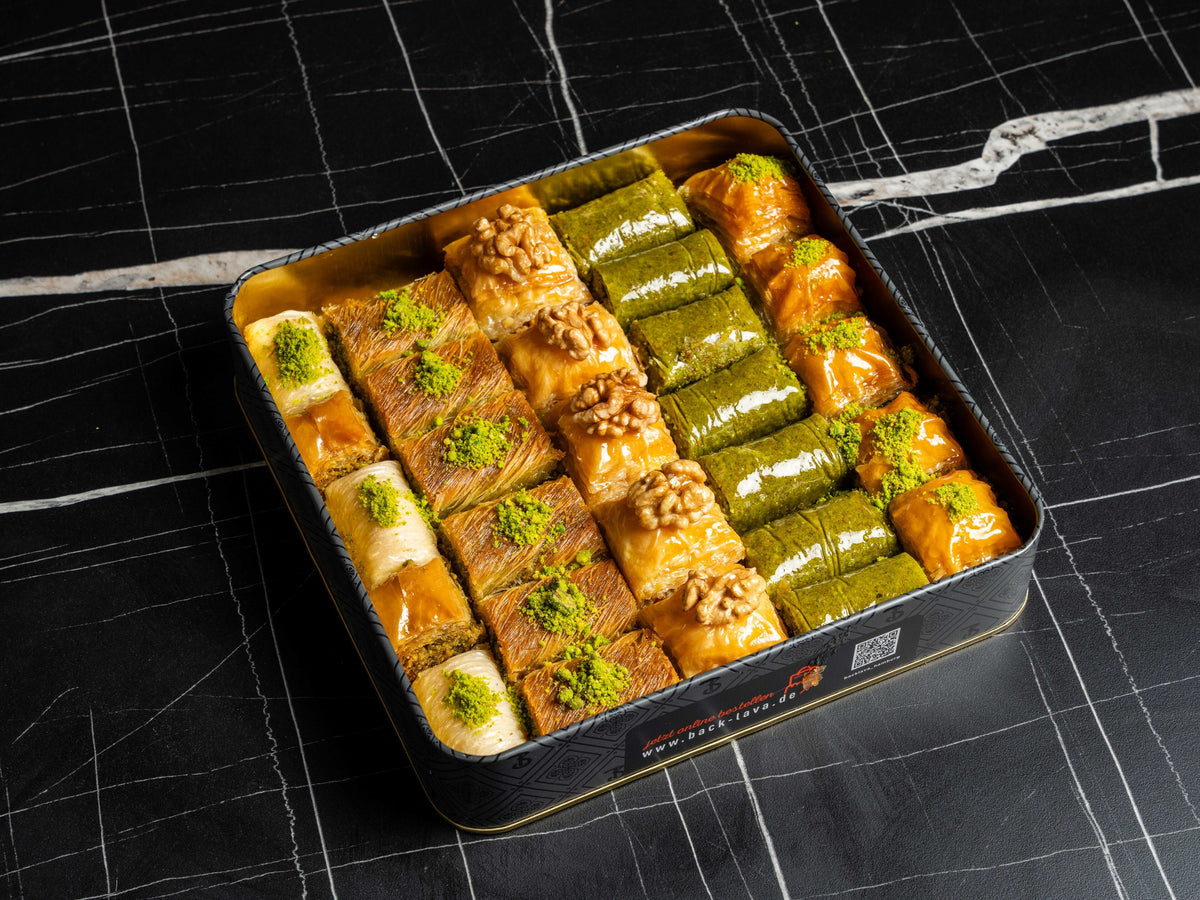
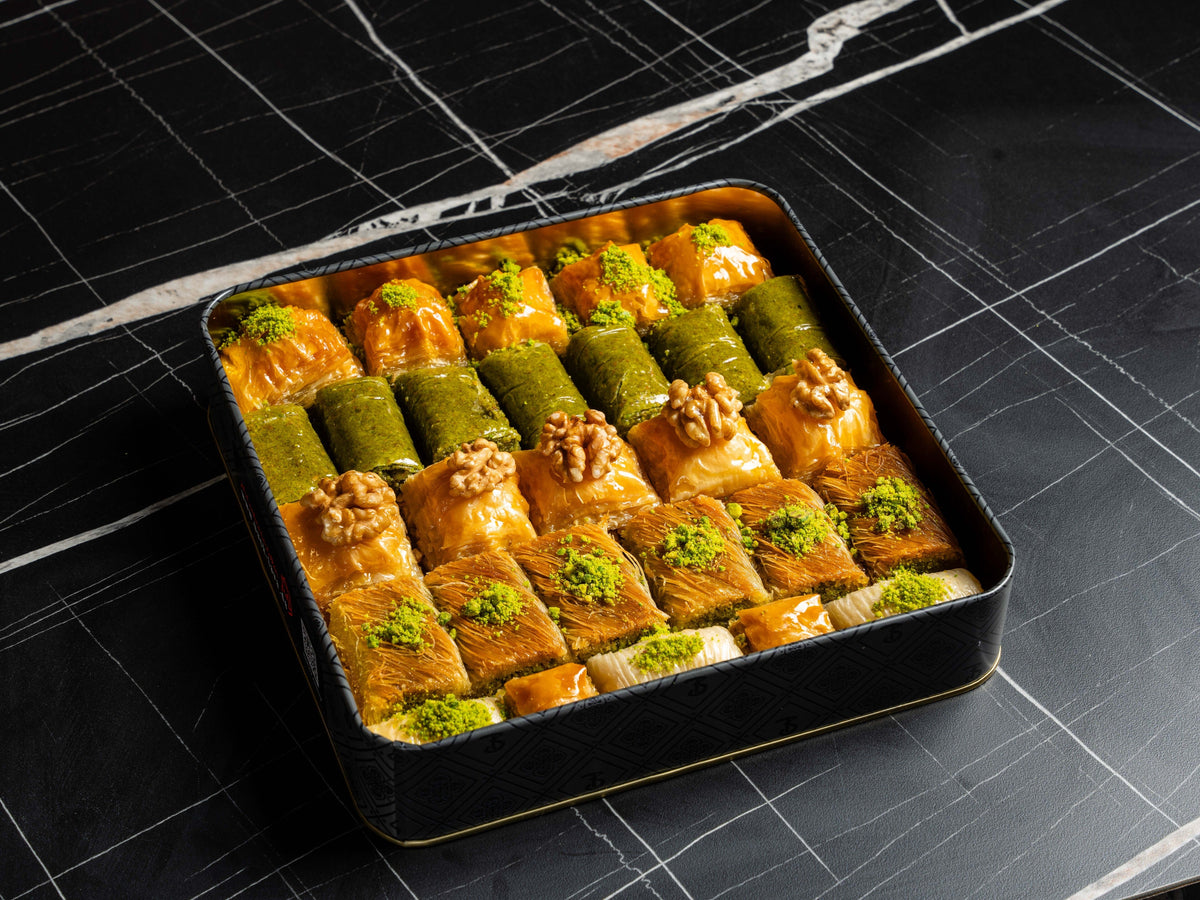
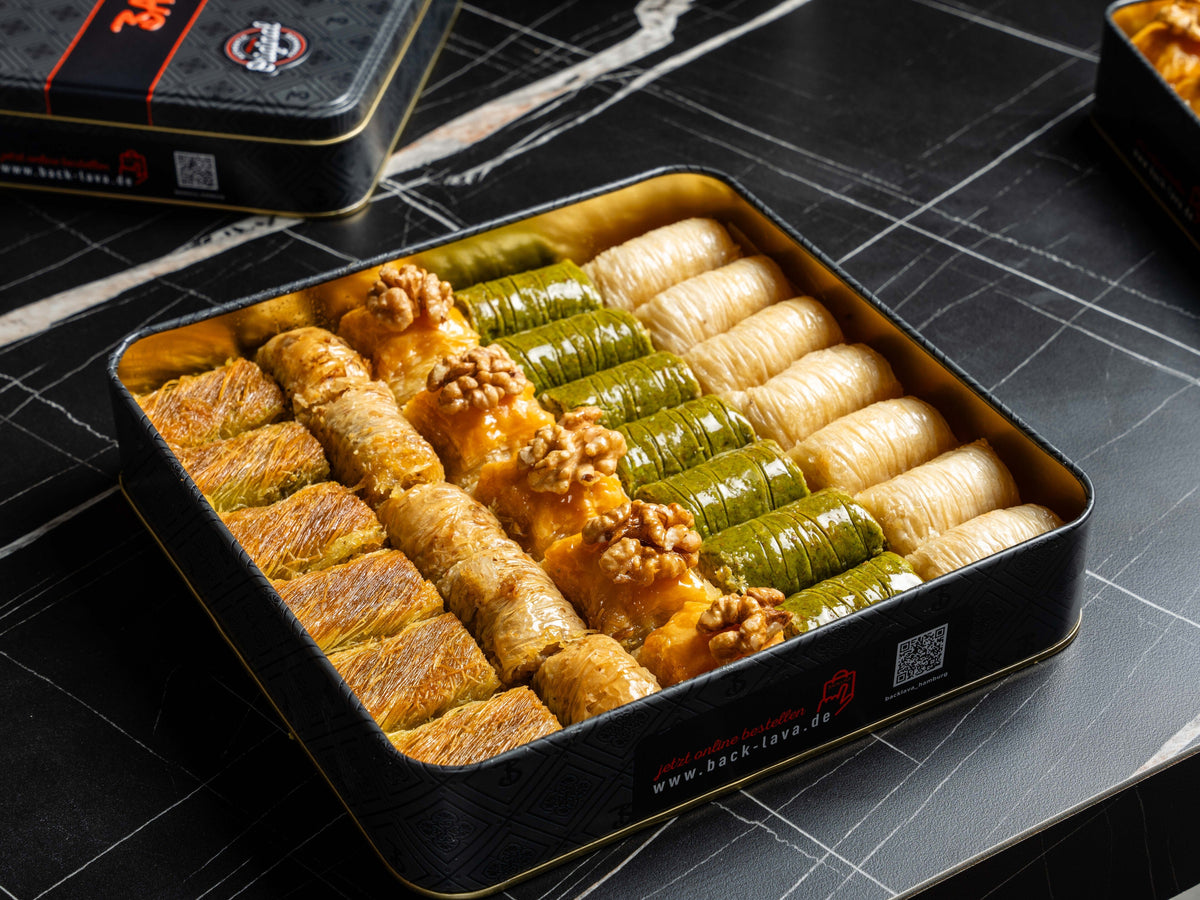
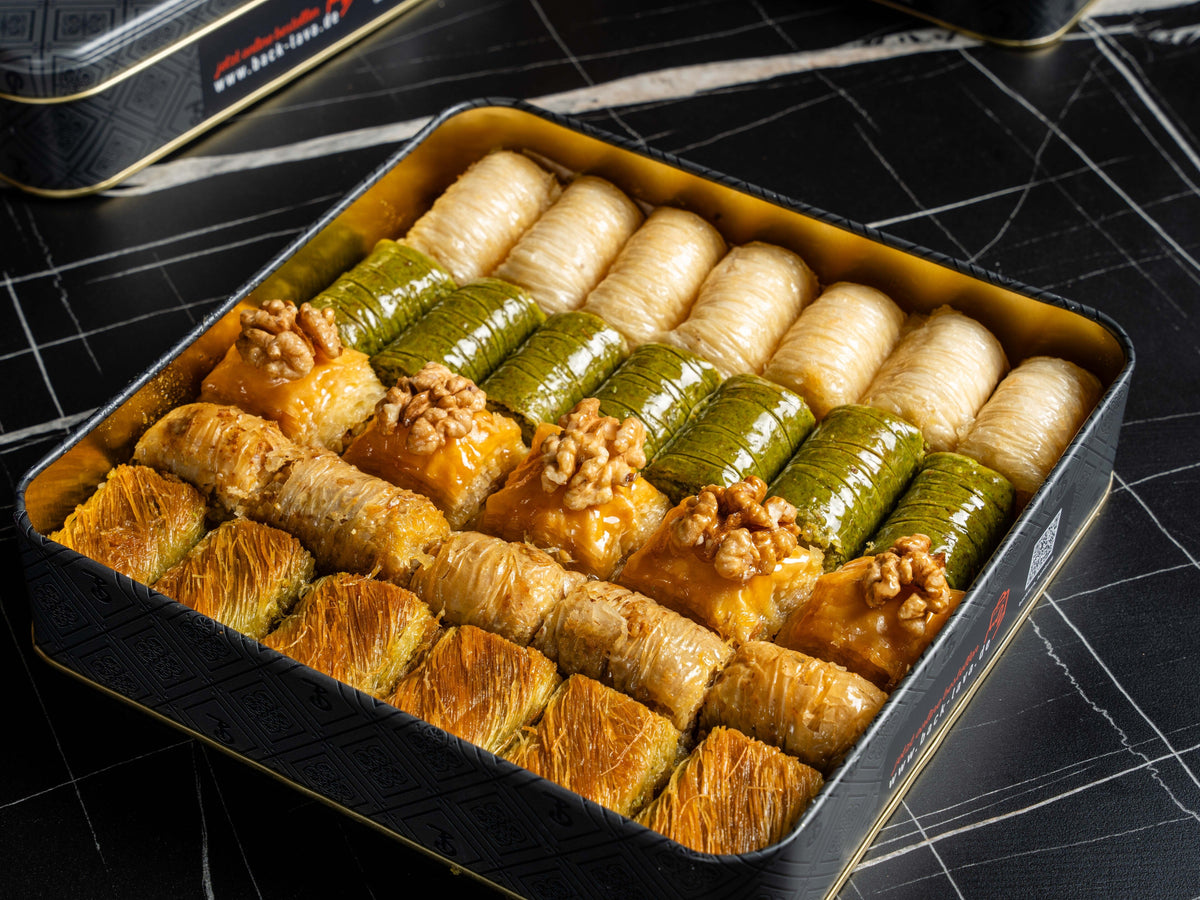
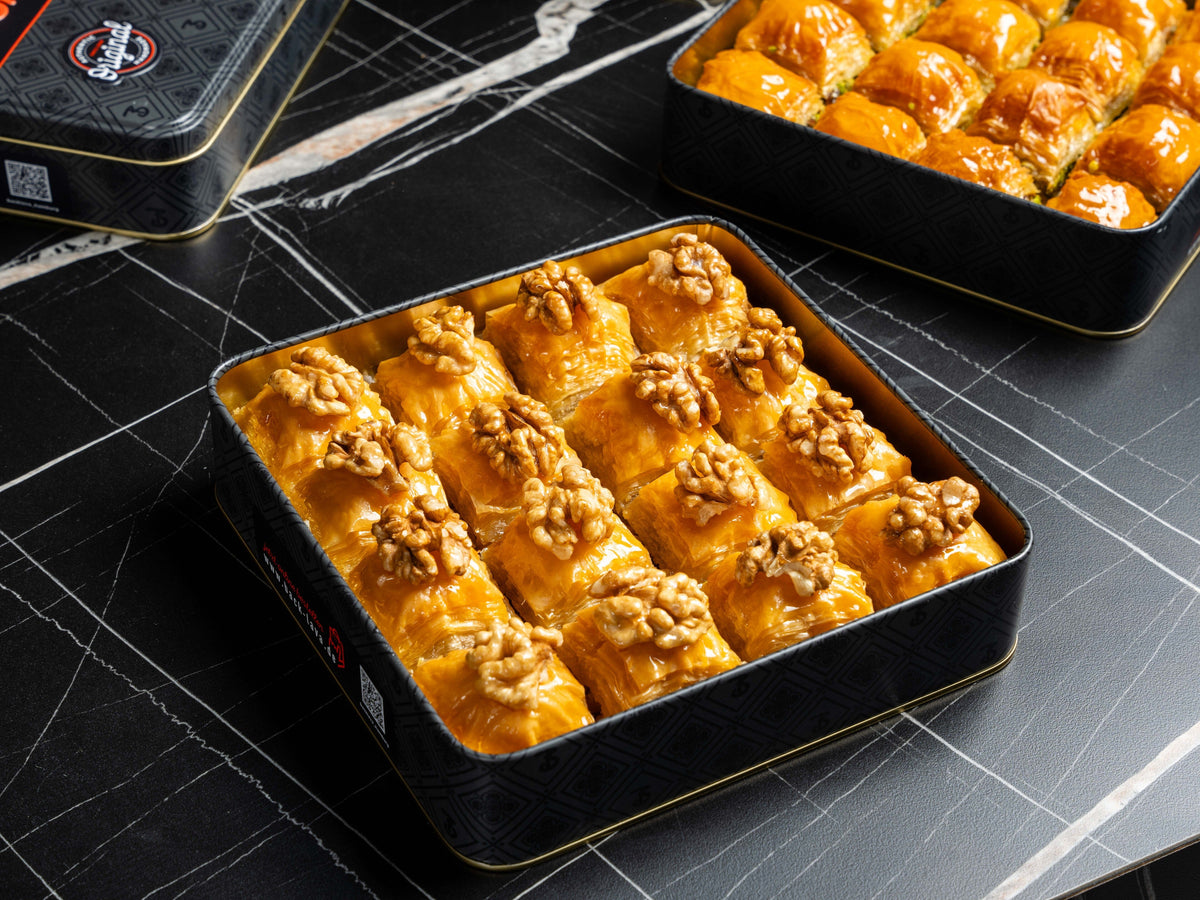
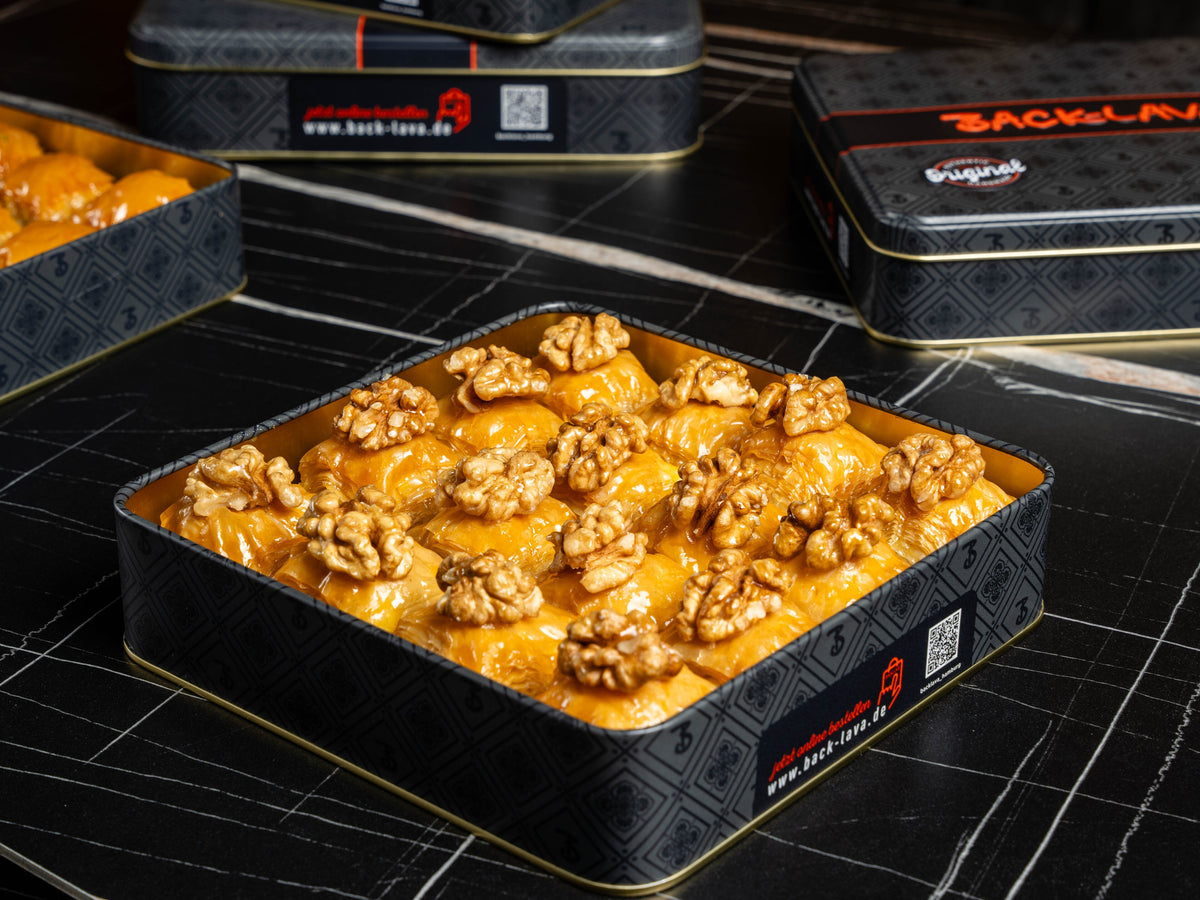
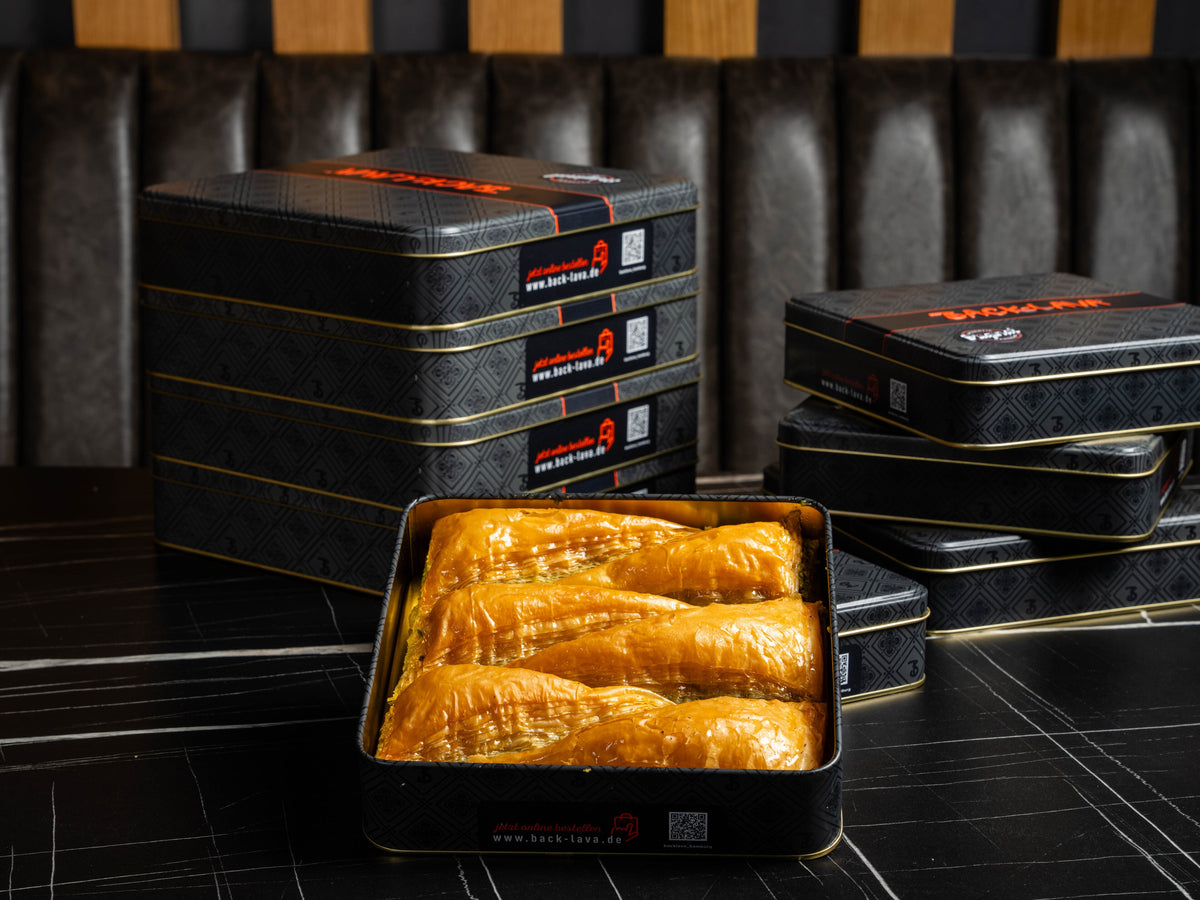
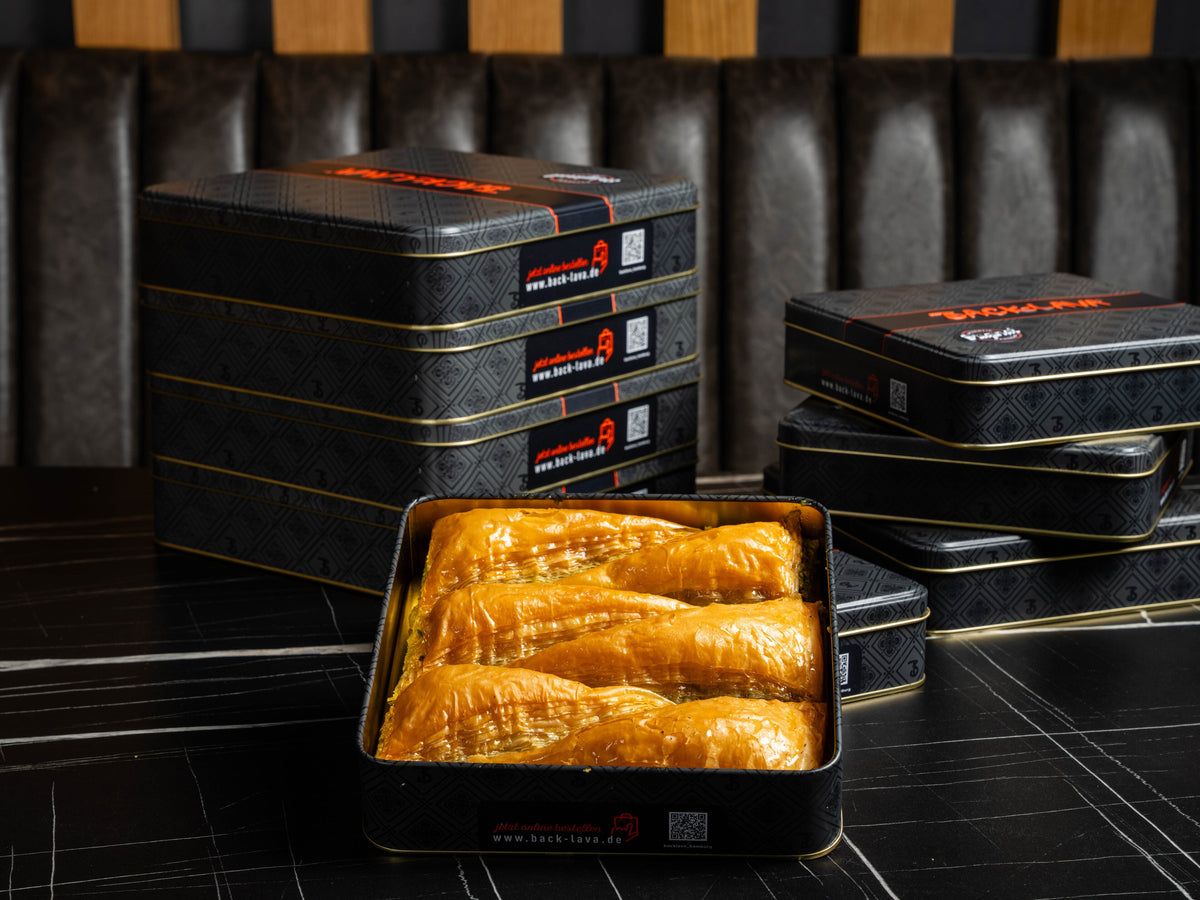
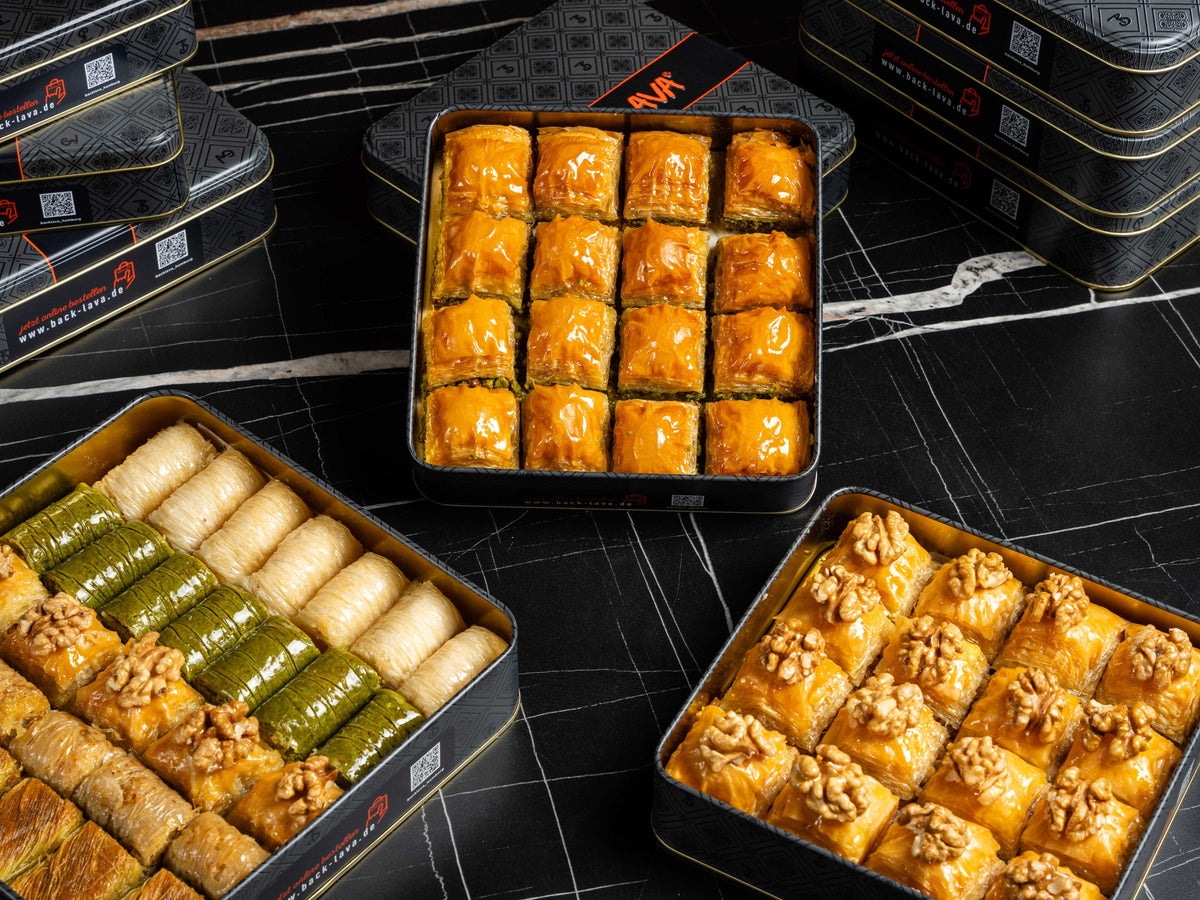
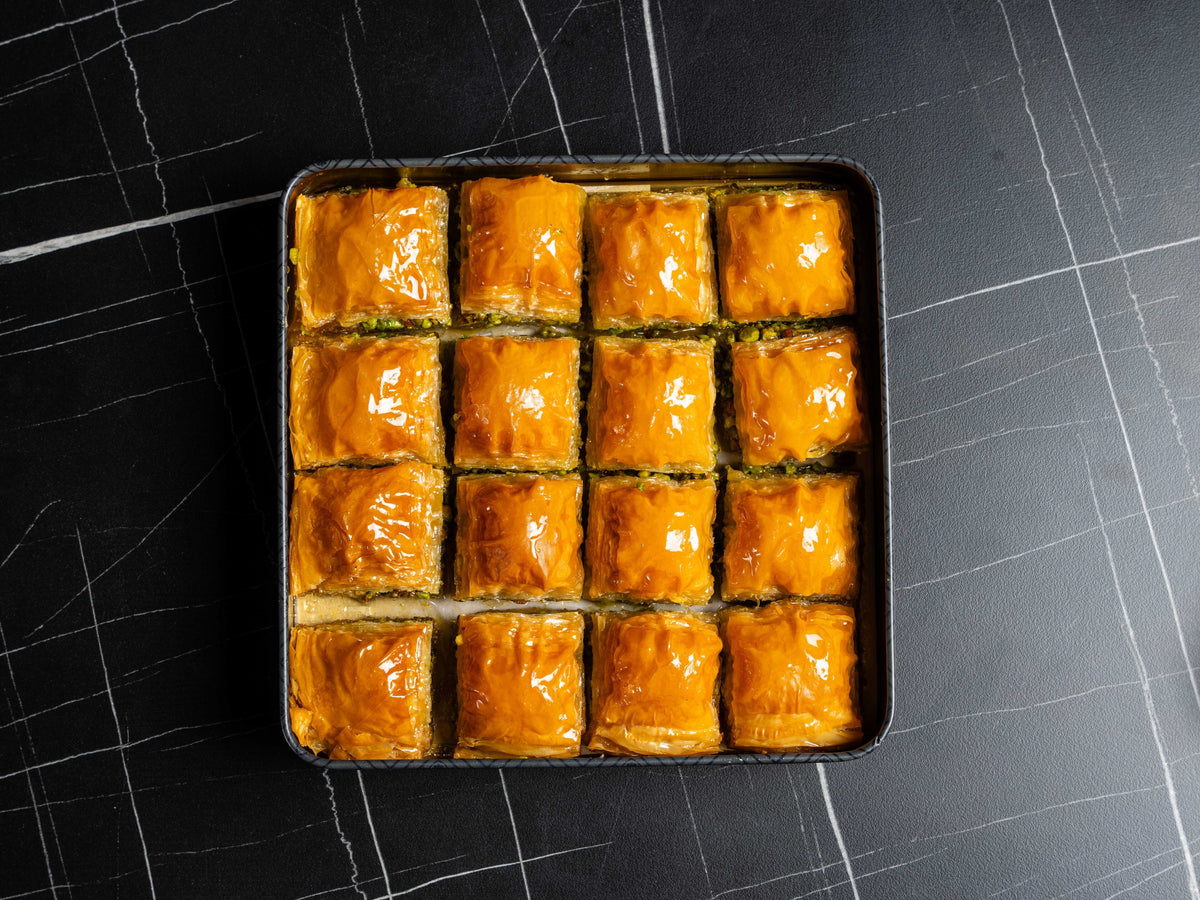
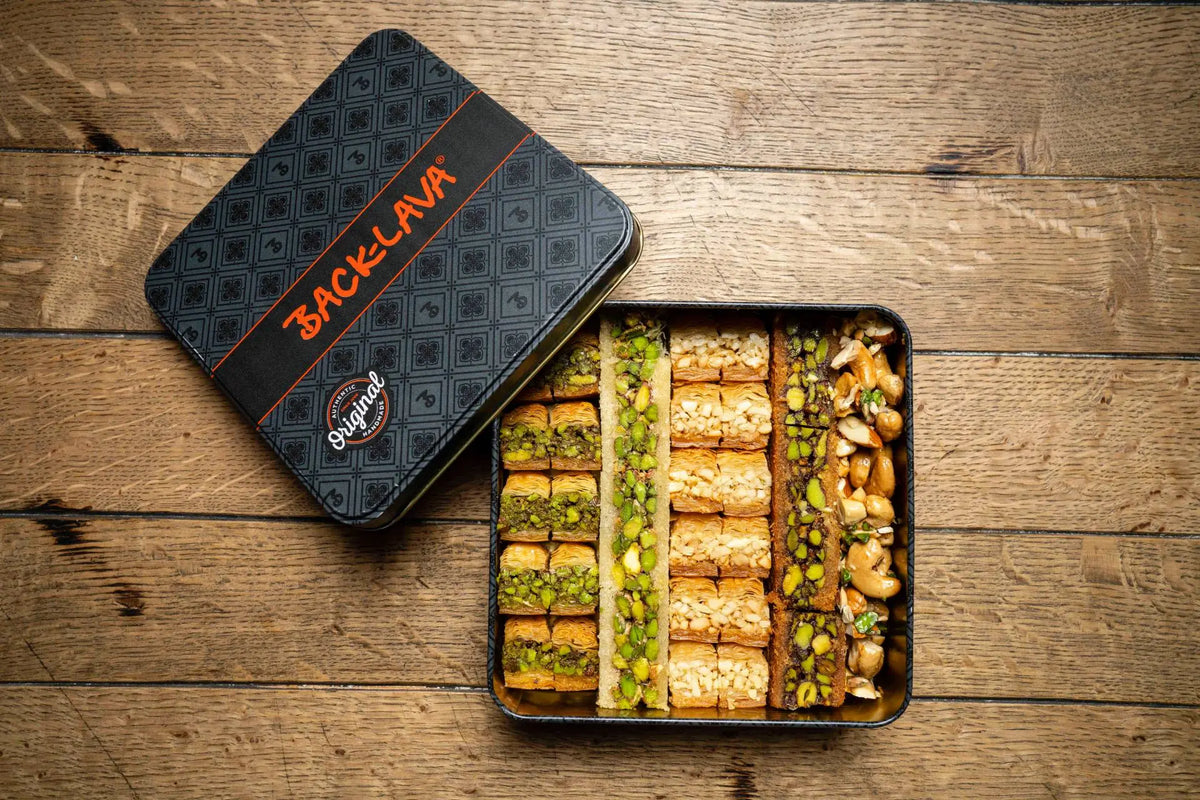
Freshly baked baklava is a little piece of happiness: crispy phyllo pastry, real Antep pistachios, and just enough syrup to make every bite melt in your mouth. But as soon as the box is on the table, the same question often arises: How long does it actually last? The shelf life of baklava depends less on a fixed calendar entry and more on proper storage. If you follow a few simple rules, you can enjoy your baklava for several days, as juicy and aromatic as if it had just come fresh from our Hamburg bakery.
What influences the shelf life of baklava
Baklava is naturally a pastry that relies on sugar and syrup – and that acts as a gentle, natural preservative. The syrup keeps the pastry moist and ensures that it doesn't dry out as quickly as a classic cake. Nevertheless, how you store it is crucial for enjoyment. Three factors play the main role: air (it makes the dough tough or, conversely, too dry), moisture (it softens the beautiful crispy layers), and temperature. The better you manage these three, the longer your baklava will stay in top condition.
Store at room temperature – this keeps the bite crispy
For most varieties, room temperature is the best choice. Stored cold, classic baklava loses exactly what we love it for: its delicate, crispy bite. Therefore, it's best to store your baklava in a cool, dry place – away from heating, direct sunlight, and the stove.
- Place the box flat so the pieces retain their shape and the syrup remains evenly distributed.
- Do not place the pieces openly on a plate – otherwise, the cut surfaces will dry out.
- Keep away from strong-smelling foods, as phyllo pastry easily absorbs aromas.
Stored this way, your baklava will retain its full flavor for several days – and often tastes even better on the second day, when the syrup has fully absorbed, making it particularly well-rounded.
Airtight sealing is key
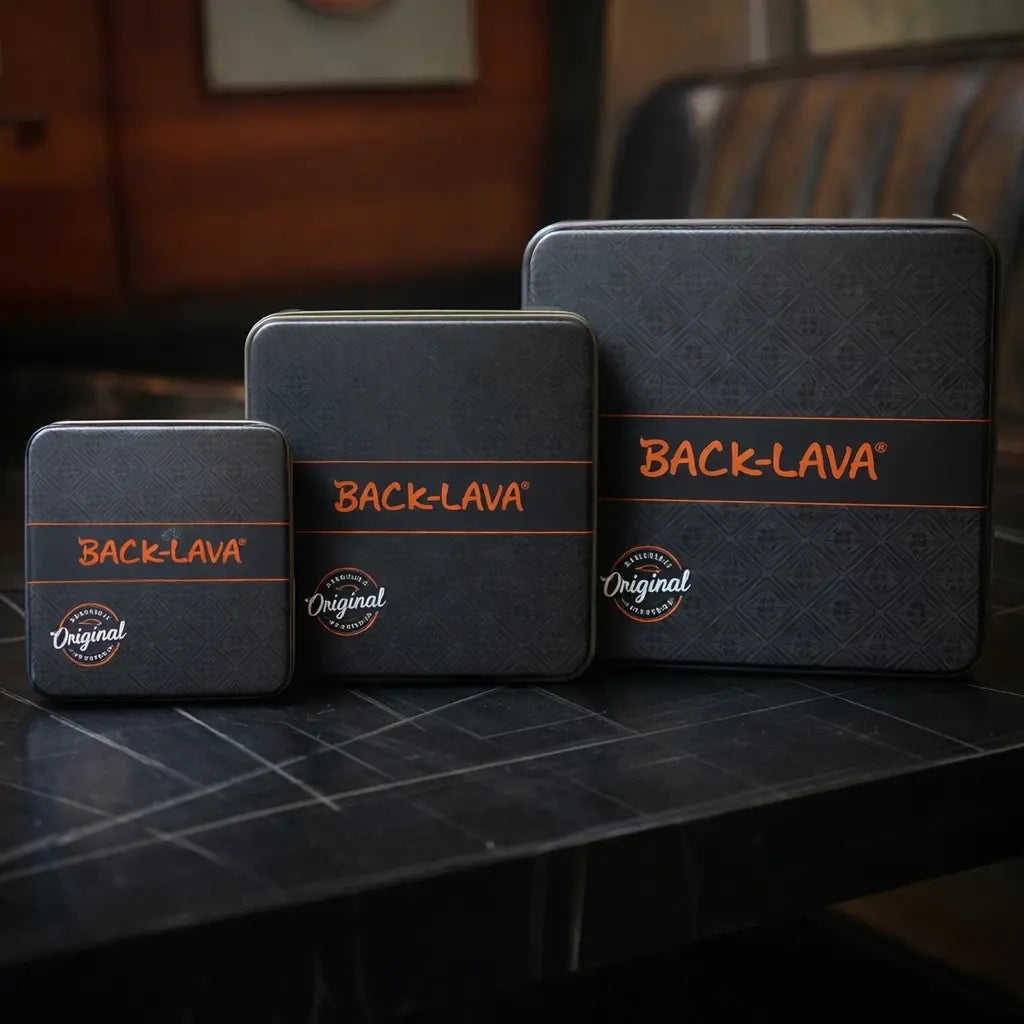
The most important trick for good shelf life is incredibly simple: pack it airtight. A tightly closing container or the original gift box protects the pastry from drafts and drying out. Open air is baklava's biggest enemy – it makes the delicate pastry layers tough and causes the syrup to harden.
If you have opened a larger box, press the lid firmly back on or transfer the rest to a clean, dry container. Make sure no condensation forms: it's better to let the pastry come to room temperature briefly before sealing it than to trap it warm.
Fridge or freezer – when is it worth it?
The refrigerator is not the first choice, but it has its moments. On very warm summer days or with creamier specialties, cool storage can be useful to preserve freshness. The disadvantage: cold robs the pastry of its crispiness. Our tip – take chilled baklava out about 20 to 30 minutes before enjoying it so it can reach room temperature and the syrup softens again. The original enjoyment will then return.
Freezing is also possible if you have ordered a large quantity. Pack the pieces airtight and later let them thaw slowly at room temperature, not in the microwave. This largely preserves the texture and aroma.
Why fresh simply tastes better
As good as storage may be – nothing beats freshly baked baklava. That's why we at Back-Lava bake according to true Gaziantep tradition and ship oven-fresh throughout Germany. The fresher the pastry arrives, the longer you will enjoy it and the more intense the pistachios, butter, and syrup will taste.
Craving the full, fresh indulgence? Discover our handmade varieties in the Baklava Collection – from the classic with real Antep pistachios like our classic baklava with pistachios to delicate specialties. If you want to give a gift, you'll find the perfect selection in our gift boxes. Order a piece of Hamburg-meets-Gaziantep to your home and taste for yourself how good fresh baklava can be. 🌿